
Description
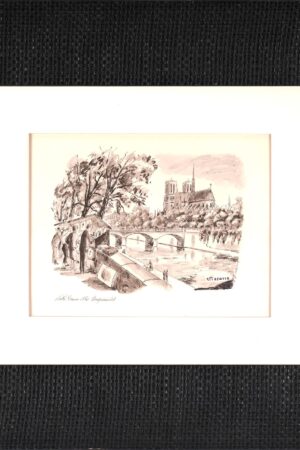
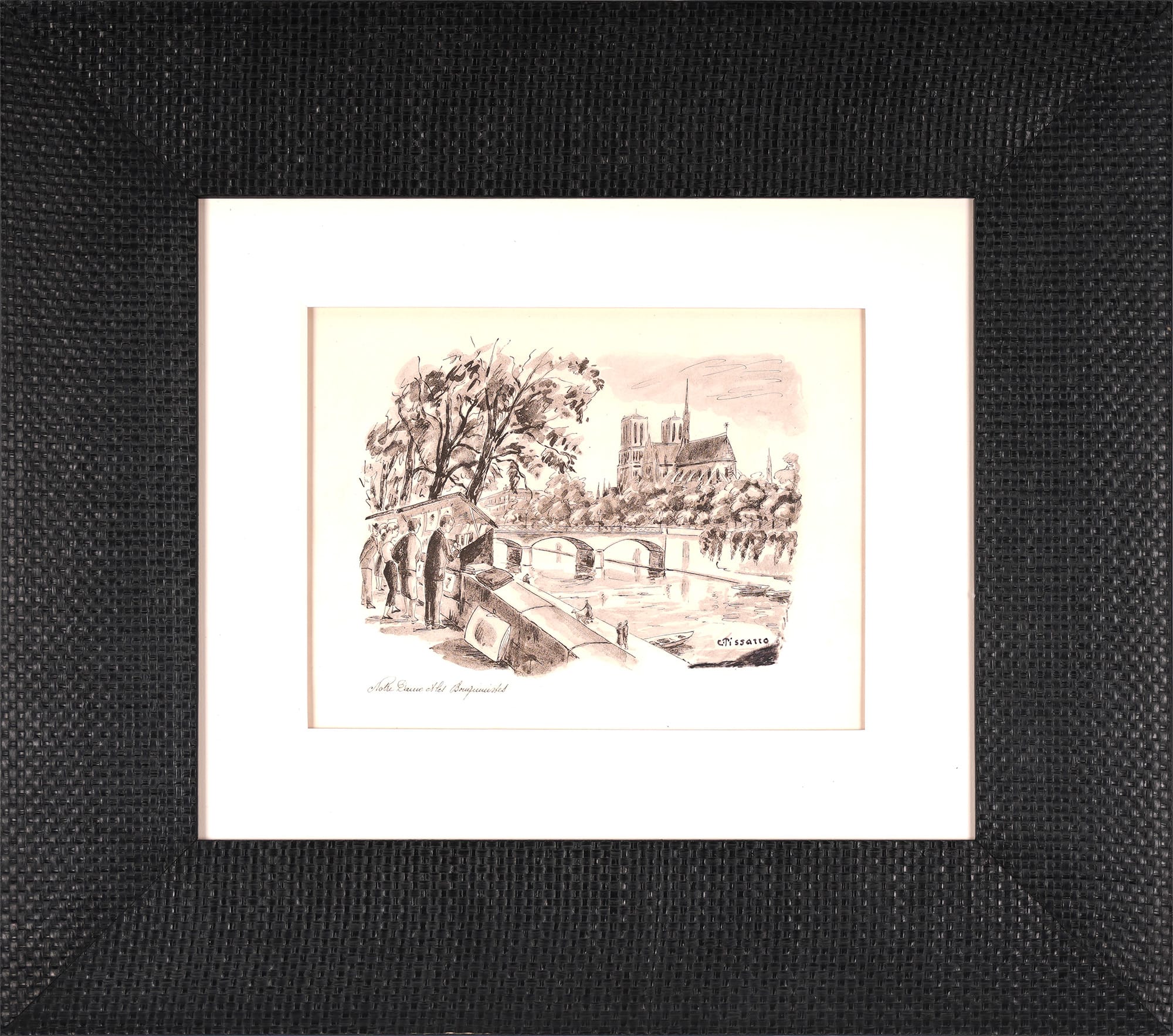
This artwork, attributed to Camille Pissarro, features a delicate ink and wash composition of the Notre Dame Cathedral, enveloped in a serene, ethereal atmosphere. Fluid strokes and soft tonal variations capture the essence of the Gothic structure, lending it timeless grandeur.
Pissarro’s technique demonstrates mastery of depth and texture, subtly defining architectural details with precision. The interplay of light and shadow reflects a reverence for history, blending realism with atmospheric sensibility and poetic beauty.
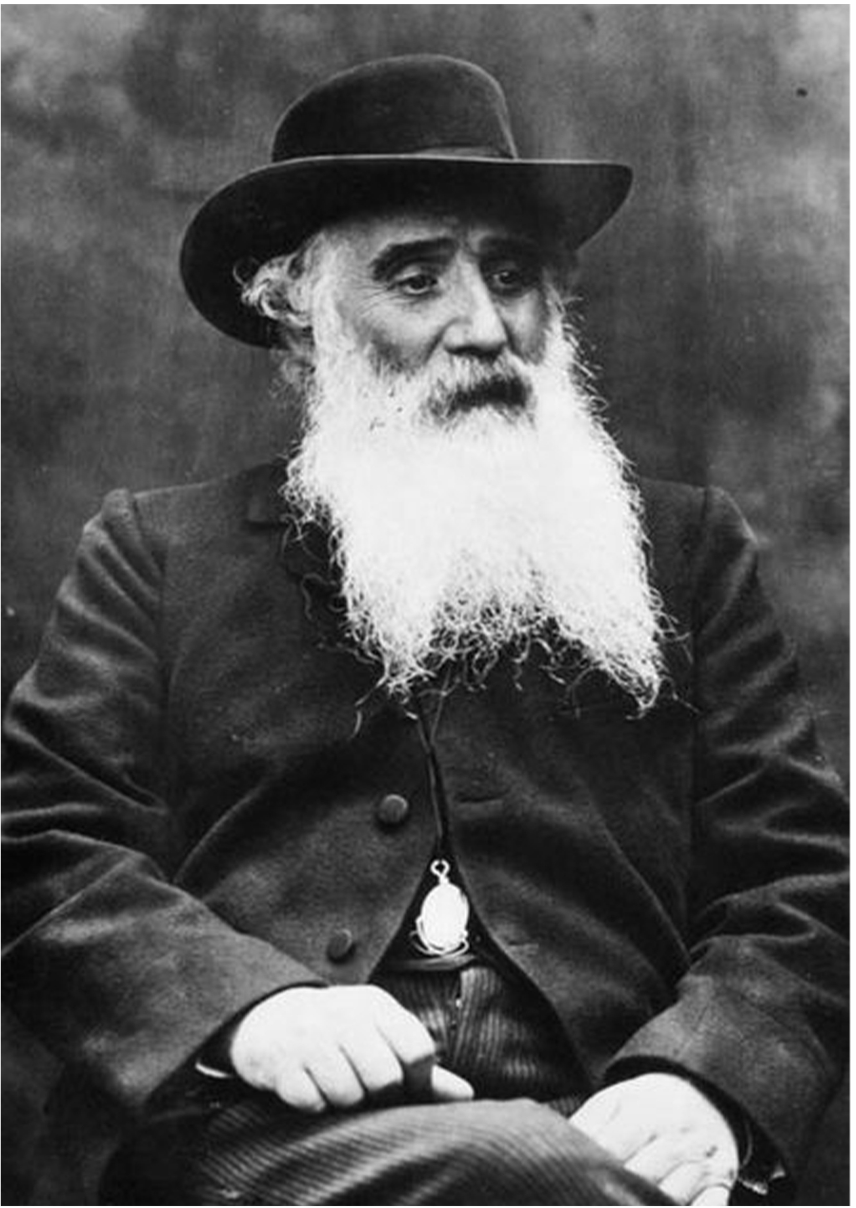
Camille Pissarro (1830–1903) was a pioneering artist whose contributions to Impressionism and Post-Impressionism helped define modern art. As both a painter and mentor, he played a key role in the development of the Impressionist movement alongside Claude Monet, Pierre-Auguste Renoir, and Edgar Degas. His commitment to the depiction of light, atmosphere, and everyday life, as well as his later experimentation with pointillism, cemented his legacy as one of the most influential artists of his time.
Early Life and Education
Born in the Danish West Indies (now the U.S. Virgin Islands), Pissarro moved to Paris in his youth to pursue his artistic training. He studied with masters such as Gustave Courbet and Jean-Baptiste-Camille Corot, who encouraged him to paint en plein air (outdoors). This practice, which allowed him to observe nature directly, became a fundamental characteristic of his work. Inspired by the changing light and movement of the landscape, Pissarro rejected academic conventions in favor of a more modern and spontaneous approach.
From Realism to Impressionism
His early works reflect the influence of realism, depicting peasants and rural scenes with great attention to natural detail. Over time, his style evolved toward Impressionism, with loose brushstrokes, vibrant colors, and a special attention to fleeting moments. Paintings such as Boulevard Montmartre at Night and The Harvest demonstrate his mastery of capturing light and movement in both urban and rural scenes.
Social and Political Themes
Unlike many of his contemporaries, Pissarro maintained a deep interest in social and political themes, portraying the working class with dignity and respect. His scenes of markets, peasants, and bustling streets reflect his conviction that everyday life deserved to be represented in art. This perspective aligned with his anarchist ideals, which also influenced his relationships with other progressive artists and intellectuals.
Experimentation with Pointillism
During the 1880s, he began experimenting with pointillism, a technique developed by Georges Seurat and Paul Signac, based on the application of tiny dots of color that blend optically in the viewer’s eye. Although he valued the scientific rigor of this method, he eventually returned to a freer and more expressive style, integrating elements of both Impressionism and Post-Impressionism.
Role in the Impressionist Movement
Despite financial difficulties and moments of artistic uncertainty, Pissarro never abandoned his pursuit of innovation and creative freedom. He was the only artist to participate in all eight Impressionist exhibitions between 1874 and 1886, demonstrating his unwavering dedication to the movement. Furthermore, his influence transcended his own work: he mentored seminal figures such as Paul Cézanne, Vincent van Gogh, and Paul Gauguin, helping to shape modern art.
Later Years
In his later years, he continued to paint vibrant landscapes and urban and rural scenes, exploring new perspectives and techniques. Works such as The Tuileries Garden and The Boieldieu Bridge at Rouen reflect his enduring fascination with light, atmosphere, and the beauty of everyday life.
Legacy
Pissarro’s legacy is profound and lasting. As a key figure of Impressionism and Post-Impressionism, he redefined artistic conventions and paved the way for modern art. His ability to capture the essence of life with warmth and sensitivity ensures that his work remains celebrated and influential today.