
Description
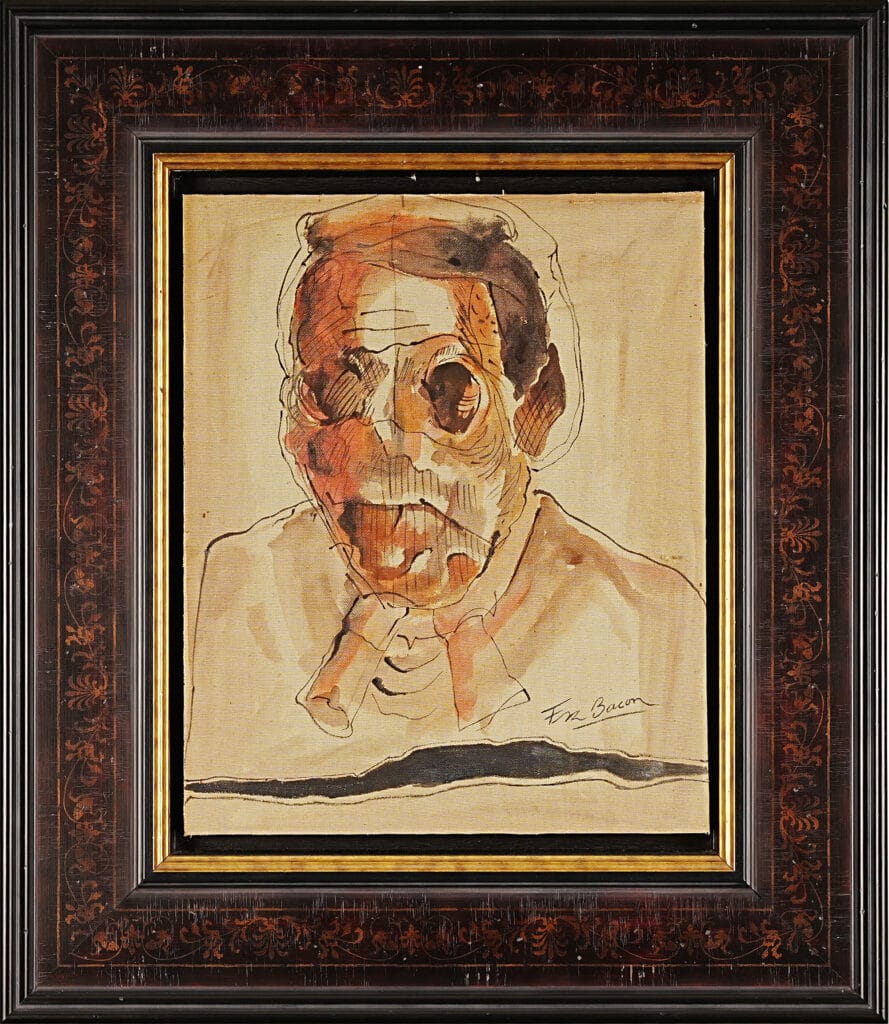
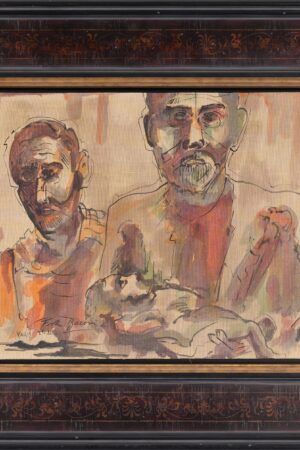
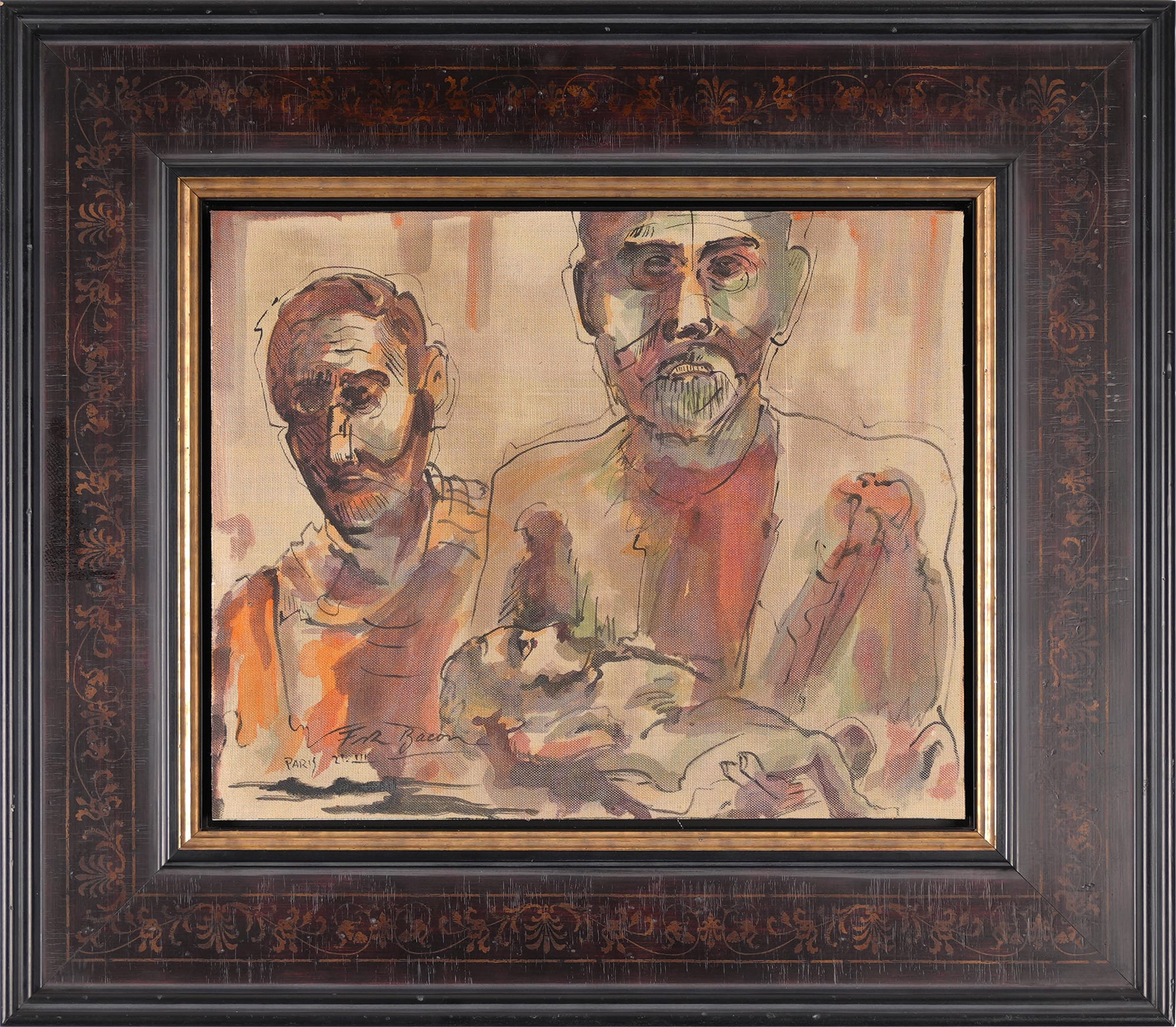
This artwork, attributed to Francis Bacon, presents a haunting abstract composition with psychological intensity, typical of his Expressionist style.
Distorted forms and vivid colors evoke inner turmoil and existential tension.
Using mixed media on canvas, Bacon achieves an ethereal, disintegrating effect, Blurred figures explore identity and trauma, offering a powerful reflection on heritage and the passage of time
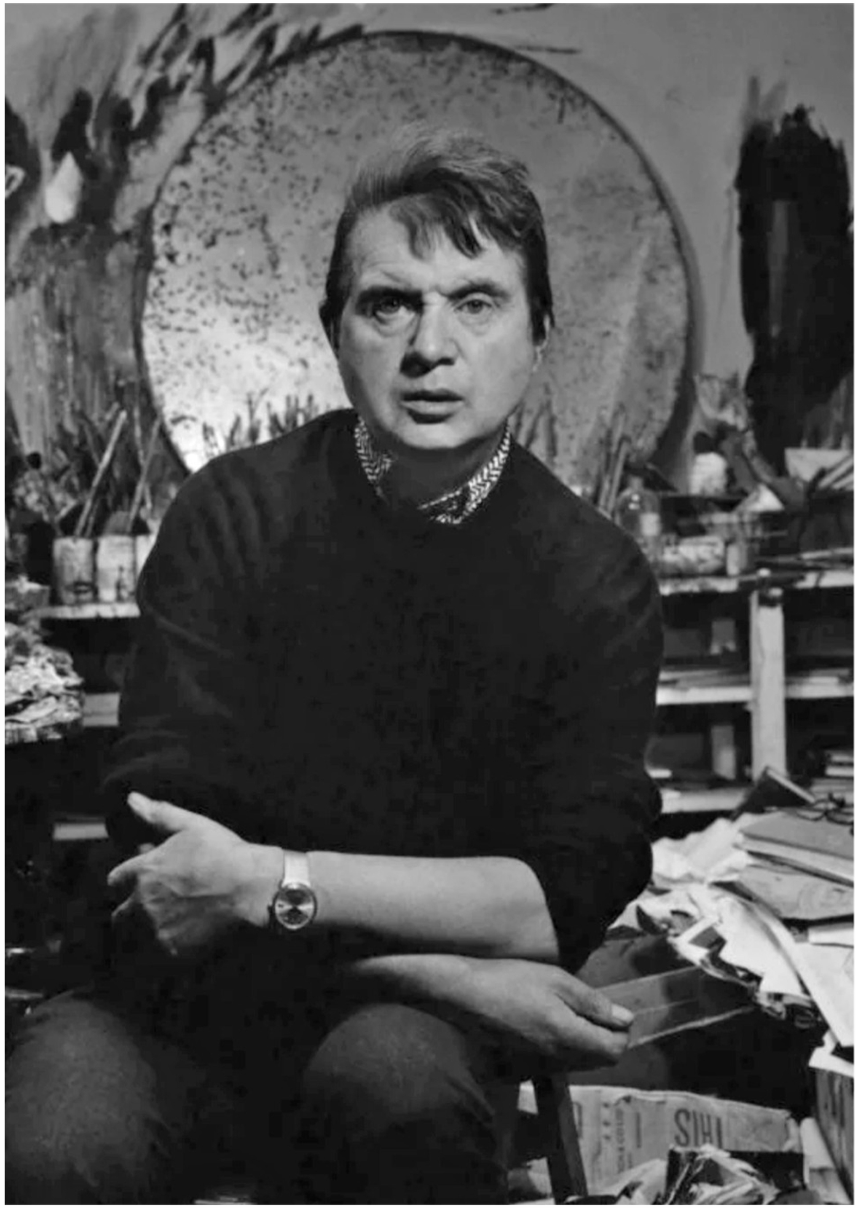
Francis Bacon, born in Dublin, Ireland, to English parents, emerged as one of the most influential and provocative artists of the 20th century. His early life was turbulent, marked by conflict with his strict father and struggles with personal identity. In the 1920s, he moved to London, where he encountered the works of Pablo Picasso and the Surrealists, which had a profound impact on his artistic development. Largely self-taught, Bacon experimented with various mediums before fully committing to painting in the 1940s.
Breakthrough and Signature Works
Bacon’s artistic breakthrough came with Three Studies for Figures at the Base of a Crucifixion (1944), a haunting triptych introducing his signature style: contorted, screaming figures trapped in bleak, undefined spaces. Created in the aftermath of World War II, the work captured the psychological trauma and existential anxiety of the era. Subsequent works, including Head VI and Study after Velázquez’s Portrait of Pope Innocent X, continued his exploration of human suffering, transforming classical subjects into nightmarish visions.
Techniques and Style
One of Bacon’s most distinctive techniques was the use of distortion and blurring to convey movement and emotion. His figures often appear twisted, disfigured, or dissolving into their surroundings, emphasizing the fragility and vulnerability of human existence. He frequently painted close friends and lovers, such as George Dyer and Lucian Freud, portraying them with raw psychological intensity rather than traditional likeness.
Bacon often set his figures within geometric structures, creating a sense of confinement and claustrophobia. Bold, unnatural colors—deep reds, electric blues, and stark blacks—intensified the emotional impact. He drew inspiration from diverse sources including medical textbooks, film stills, and photography, integrating these into his unique visual language.
Critical Success and Market Recognition
Despite the dark and often disturbing nature of his work, Bacon achieved significant commercial and critical success. He exhibited internationally, and his paintings became highly sought-after. The triptych Three Studies of Lucian Freud (1969) became one of the most expensive artworks ever sold at auction, cementing his reputation as a modern master.
Later Years and Legacy
Bacon’s later works retained the intensity of his earlier paintings but emphasized empty space and isolation. His final works, created shortly before his death in 1992, reflect mortality and introspection. Throughout his life, he continued to push the boundaries of figurative painting, resisting conformity to artistic trends.
Bacon’s legacy endures as one of the most powerful voices in contemporary art. By confronting the raw, often brutal aspects of human existence, he redefined modern portraiture and left a lasting impact on the art world. His work continues to provoke, disturb, and inspire, offering profound insight into the complexity and fragility of human experience.