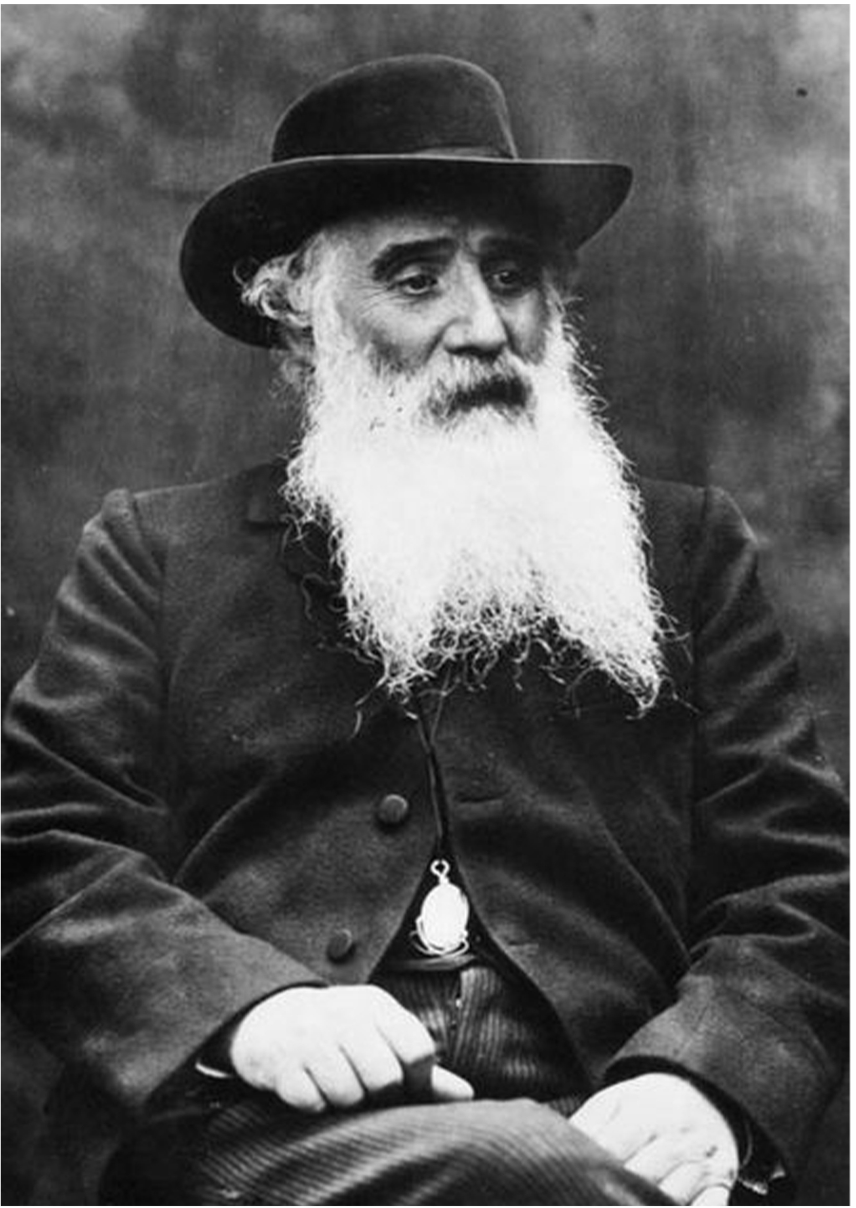
Camille Pissarro was born on July 10, 1830, in St. Thomas, then part of the Danish West Indies. His parents were of French and Portuguese-Jewish descent, and he grew up in a multicultural environment. As a teenager, he was sent to boarding school in Paris, where he first encountered European art and developed his passion for drawing. Despite his family’s wish for him to join the family business, he chose to pursue a career in art.
Development of Impressionism
In 1855, Pissarro moved permanently to Paris and immersed himself in the city’s artistic circles. Influenced by the Barbizon School and particularly by Corot, he began painting rural life with a naturalistic style. By the 1860s, he sought more innovation, connecting with Monet, Renoir, and Cézanne. Together, they pioneered the Impressionist movement, experimenting with en plein air painting to capture light and atmosphere.
International Success
The Franco-Prussian War (1870) forced Pissarro to flee to London, where he studied Turner and Constable and painted city scenes. On returning to France in 1871, he discovered much of his earlier work destroyed. Nevertheless, he continued to refine Impressionism and, in 1874, joined Monet, Renoir, and Degas in the first Impressionist exhibition. He was the only artist to participate in all eight Impressionist exhibitions (1874–1886).
Notable Works and Themes
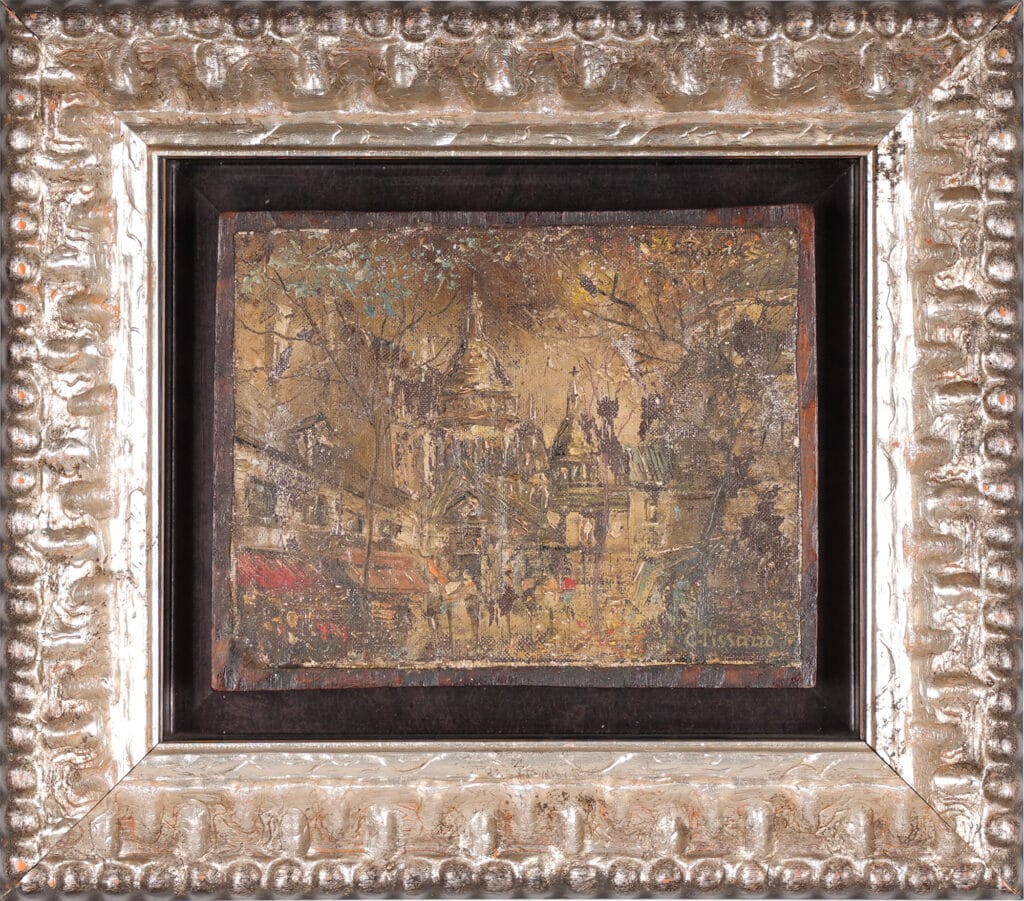
Pissarro’s art is defined by broken brushstrokes, vibrant colors, and depictions of rural and urban life. In the 1880s, he experimented with Pointillism under Seurat’s influence but later returned to a freer Impressionist style. Works like The Boulevard Montmartre at Night and Peasant Girl with a Straw Hat showcase his mastery of both urban and countryside scenes. His themes often highlighted everyday life, nature, and the changing city.
Personal Life
Pissarro married Julie Vellay, and together they had eight children, several of whom, including Lucien, became artists. In later life, he suffered from a chronic eye infection that limited outdoor work, but he continued to paint Parisian streets from his window.
Legacy
Camille Pissarro died on November 13, 1903, in Paris. Often called the “Father of Impressionism,” he was admired not only for his pioneering work but also for his mentorship of younger artists like Cézanne, Gauguin, and Seurat. His art and influence remain central to modern painting, and his works are housed in major museums worldwide, including the Musée d’Orsay, the National Gallery, and the Metropolitan Museum of Art.
Camille Pissarro was a Danish-French Impressionist and Neo-Impressionist painter born on the island of St Thomas. His importance resides in his contributions to both Impressionism and Post-Impressionism. Pissarro studied from great forerunners, including Gustave Courbet and Jean-Baptiste-Camille.
He was known for his depictions of rural and urban landscapes, focusing on light, atmosphere, and everyday life. He was also a mentor to artists like Paul Cézanne and Paul Gauguin.