
-
Hobbema’s landscapes exemplify the Dutch Golden Age with serene beauty and intricate details. His technique of capturing light filtering through foliage creates a tranquil atmosphere, while his meticulous attention to nature’s subtleties reflects a deep reverence for the natural world.
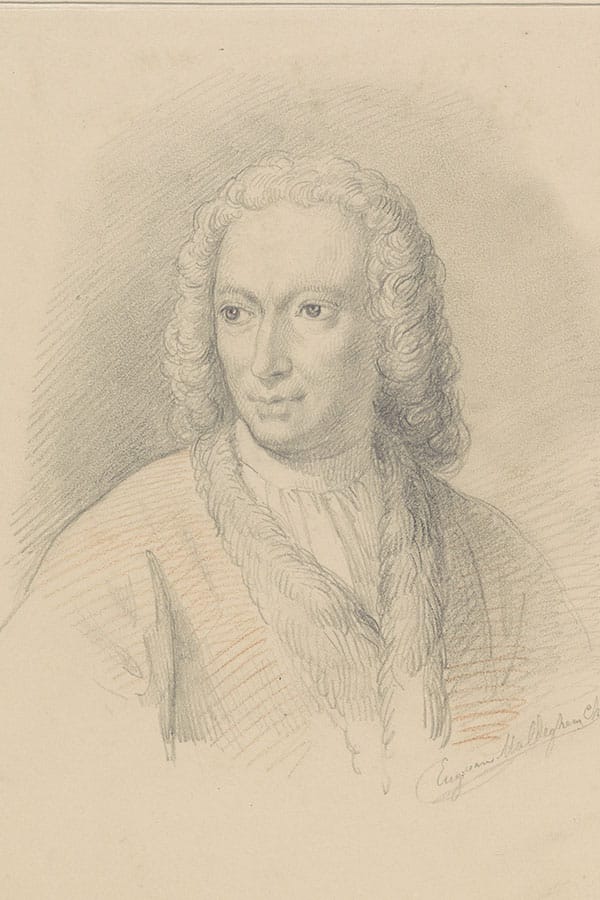
Meindert Hobbema was born on October 31, 1638, in Amsterdam, in the Dutch Republic. His early life was humble, and little is known about his family background. His father was a carpenter, and it’s believed that Hobbema grew up in a modest household.
Hobbema’s artistic journey began when he became a pupil of Jacob van Ruisdael, one of the most prominent landscape painters of the Dutch Golden Age. Under Ruisdael’s guidance, Hobbema developed his skills in landscape painting, adopting his mentor’s naturalistic style and use of dramatic lighting. By the 1660s, Hobbema was producing his own landscapes, characterized by intricate compositions of woodlands, winding roads, watermills, and rustic cottages. His attention to detail and mastery of light created vivid, lifelike scenes that captured the tranquility and beauty of the Dutch countryside.
In 1668, Hobbema married Eeltje Vinck in Amsterdam. Interestingly, on the same day as his wedding, he was appointed as a wine-gauger—a government position inspecting and taxing wine imports—for the city. This stable job provided him with financial security, reducing his reliance on art sales. Hobbema’s decision to take a civil post may explain why his artistic output diminished significantly after his marriage. Despite this, his existing works continued to attract attention and were appreciated for their serene beauty and precise execution.
One of Hobbema’s most famous works is The Avenue at Middelharnis (1689). This painting, depicting a long, tree-lined road stretching into the distance, exemplifies his skill in perspective, light, and atmosphere, and is considered a masterpiece of Dutch landscape painting.
Throughout his career, Hobbema rarely signed or dated his paintings, making it challenging to determine the exact chronology of his work. However, art historians have identified about 150 of his paintings, many of which depict forests, ponds, watermills, and peaceful country roads. Hobbema’s landscapes often featured dramatic skies and careful use of shadow, creating a sense of depth and realism. His paintings were not just beautiful depictions of nature but also reflected a deep understanding of composition and perspective.
Although his style closely followed that of his mentor Ruisdael, Hobbema’s works were known for a brighter, more optimistic tone. His scenes were often bathed in warm light and depicted the Dutch countryside as an idyllic, inviting place.
Hobbema’s influence wasn’t widely recognized during his lifetime. His work was appreciated locally but did not achieve the fame of other Dutch masters, like Rembrandt or Vermeer. However, his paintings later gained significant recognition in the 19th century, especially in England, where they were highly valued by collectors and artists alike. His depictions of watermills became especially popular, and many of his works can be seen today in major museums, including the National Gallery in London, the Rijksmuseum in Amsterdam, and the Louvre in Paris.
Hobbema’s personal life was relatively quiet. He lived and worked in Amsterdam for most of his life, maintaining his position as a wine-gauger while continuing to paint landscapes in his spare time. In 1704, after a long and quiet career, Meindert Hobbema passed away in Amsterdam. His death marked the end of an era for a style of landscape painting that would only be fully appreciated centuries later.
Today, Hobbema is celebrated as one of the greatest Dutch landscape painters of the Golden Age. His work continues to inspire artists and captivate audiences with its serene beauty, masterful composition, and luminous light. Hobbema’s legacy lies in his ability to capture the essence of the Dutch landscape: its quiet roads, gentle light, and natural beauty. His paintings are more than just representations of places—they are timeless portrayals of harmony between nature and humanity.
From a humble background to a position in the heart of the Dutch art scene, Meindert Hobbema’s story is a testament to dedication, skill, and the enduring appeal of landscape painting.
