
Description
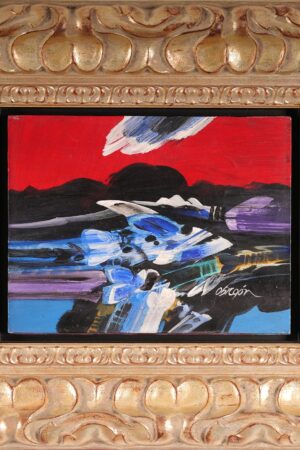
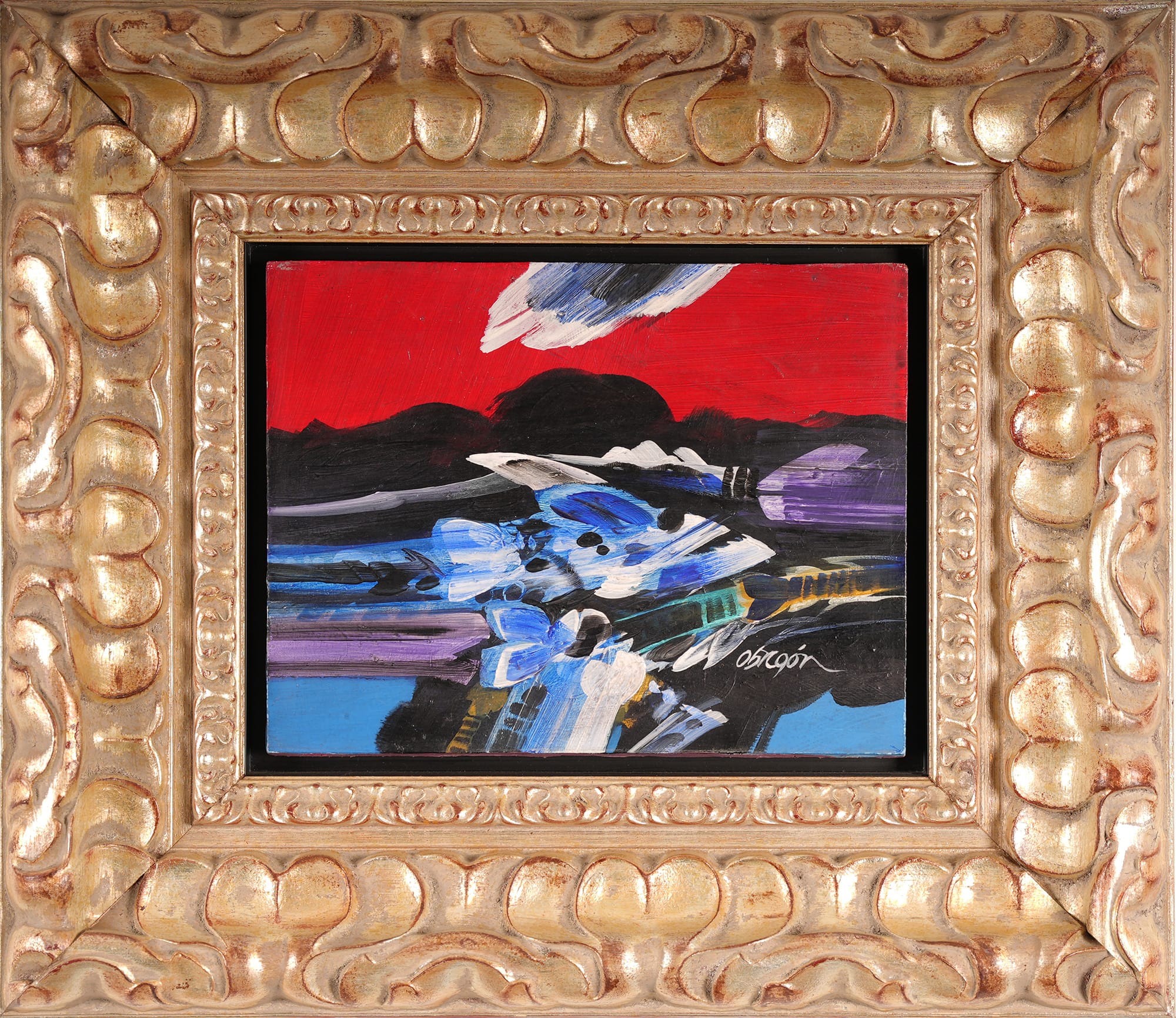
Attributed to Alejandro Obregón, this striking piece blends abstraction and expressionism, featuring a barracuda against a fiery red sky. Obregón’s expressive brushstrokes and dynamic contrasts create powerful visual impact. The fish’s sharp contours evoke nature’s force and resilience, exemplifying his symbolic and emotional approach.
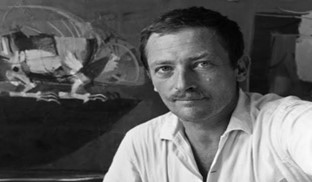
Alejandro Obregón was born in Barranquilla, Colombia, in 1920. He grew up in a culturally rich environment that shaped his artistic sensibilities. Initially, he studied architecture at the Universidad de Bogotá, which gave him a foundation in design, composition, and spatial understanding before fully committing to painting.
Studies in Europe
In the 1940s, Obregón moved to Paris to pursue painting. He studied at the École des Beaux-Arts and was exposed to the European avant-garde—particularly Expressionism, Cubism, and Surrealism. He drew inspiration from masters like Pablo Picasso, Georges Braque, and Henri Matisse, yet developed a distinctive style that fused European modernist techniques with Colombian cultural themes.
Artistic Style and Influence
Obregón became a leading figure in Colombian modernism. His style combined:
-
Abstract Expressionism
-
Dynamic brushwork
-
Vibrant colors
-
Exaggerated forms
His paintings often juxtaposed natural forms with abstract elements, conveying intense emotion and reflecting his inner responses rather than striving for photographic realism.
Themes and Motifs
-
Colombian Identity:
Early works, such as La Madre (1951), incorporated symbols of native and Afro-Colombian heritage, folklore, and political events. -
The Jaguar:
One of his most iconic motifs, symbolizing strength, power, and primal energy, as seen in La Muerte del Jaguar (1960). -
Later Works:
Paintings like El Hombre y el Mar (1983) show a more abstract and expressive approach, exploring themes of the human condition, war, and modern societal turmoil.
Global Recognition
Obregón exhibited his works internationally, including in New York, Paris, and Caracas, bringing Colombian modern art to global attention. His innovative fusion of European modernism and Latin American cultural identity helped establish a new artistic identity for the region.
Legacy
Alejandro Obregón remains a pivotal figure in Latin American art. His expressive power, mastery of color, and cultural significance continue to inspire artists worldwide. His work transcends geographical and political boundaries, capturing both the complexity of Colombia and the emotional depth of human experience.