
Description
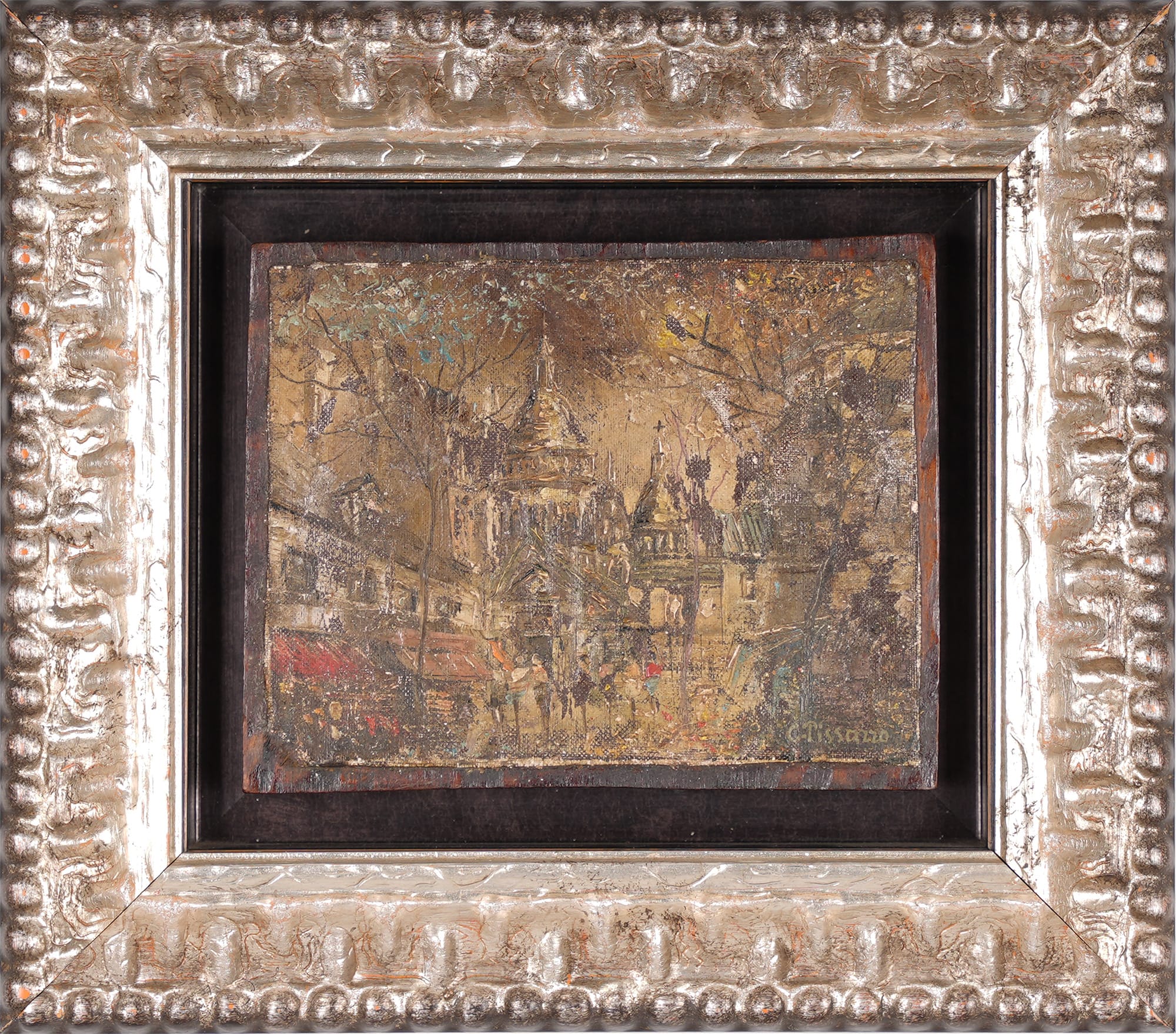
This artwork, attributed to Camille Pissarro, presents an Impressionist composition set in 19th-century Paris. The dynamic city scene, with loose brushstrokes and a soft color palette, captures the fleeting effects of light and movement.
Pissarro’s skill in rendering Parisian architecture and daily life reflects his fascination with urban transformation. The interplay of light and shadow adds depth, creating a moment frozen in time that blends realism with Impressionist beauty.
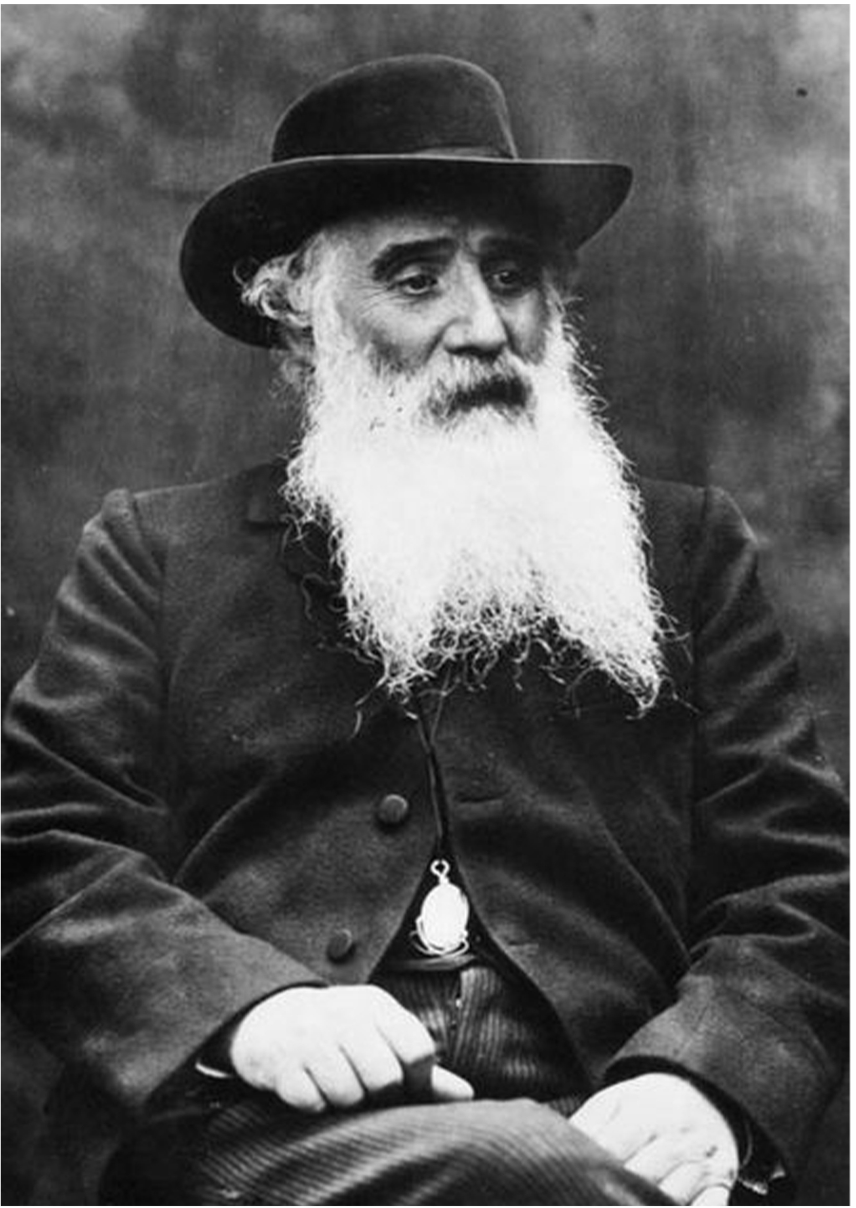
Camille Pissarro (1830–1903) was a pioneering artist whose contributions to Impressionism and Post-Impressionism helped shape modern art. As both a painter and mentor, he played a crucial role in developing the Impressionist movement alongside artists such as Claude Monet, Pierre-Auguste Renoir, and Edgar Degas. His commitment to capturing light, atmosphere, and everyday life, along with his later experiments in Pointillism, cemented his legacy as one of the most influential artists of his time.
Early Life and Education
Born in the Danish West Indies (now the U.S. Virgin Islands), Pissarro moved to Paris as a young man to pursue his artistic education. He studied under masters such as Gustave Courbet and Jean-Baptiste-Camille Corot, who encouraged him to paint en plein air (outdoors). This practice allowed him to observe nature firsthand, which became a defining characteristic of his work. Inspired by the changing light and movement of the landscape, he rejected the academic traditions of the time in favor of a more spontaneous and modern approach to painting.
Artistic Evolution and Impressionism
Pissarro’s early works reflect the influence of Realism, depicting rural laborers and simple countryside scenes with great attention to natural detail. However, his style evolved as he embraced Impressionism, focusing on loose brushwork, vibrant colors, and capturing fleeting moments. His paintings from this period, such as The Boulevard Montmartre at Night and The Harvest, showcase his mastery of light and movement, portraying both urban and rural scenes with remarkable freshness and vitality.
Social and Political Themes
Unlike many of his peers, Pissarro maintained a strong interest in social and political themes, often portraying the working class with dignity and respect. His depictions of farmers, market scenes, and bustling city streets reflected his belief in the importance of everyday life as a subject for art. This perspective aligned with his anarchist views, influencing both his work and his friendships with other progressive artists and intellectuals.
Experimentation with Pointillism
In the 1880s, Pissarro’s style underwent another transformation when he began experimenting with Pointillism, a technique developed by Georges Seurat and Paul Signac. This method involved applying small dots of color to the canvas, allowing the eye to blend them optically. Although he admired the scientific approach behind this technique, he eventually returned to a more fluid and expressive style, integrating elements of both Impressionism and Post-Impressionism in his later works.
Role in the Impressionist Movement
Despite financial struggles and periods of artistic uncertainty, Pissarro remained dedicated to innovation and artistic freedom. He was the only artist to participate in all eight Impressionist exhibitions between 1874 and 1886, demonstrating his unwavering commitment to the movement. His influence extended beyond his own work, as he mentored younger artists such as Paul Cézanne, Vincent van Gogh, and Paul Gauguin, shaping the future of modern art.
Later Years
In his later years, Pissarro continued to paint vibrant landscapes, urban scenes, and rural life, exploring new perspectives and techniques. His final works, such as The Garden of the Tuileries and The Pont Boieldieu in Rouen, reflect his enduring fascination with light, atmosphere, and the beauty of everyday moments.
Legacy
Pissarro’s legacy is profound. As a key figure in both Impressionism and Post-Impressionism, he helped redefine artistic conventions and paved the way for the evolution of modern art. His ability to capture the essence of life with warmth and sensitivity ensures that his work remains celebrated and influential today.