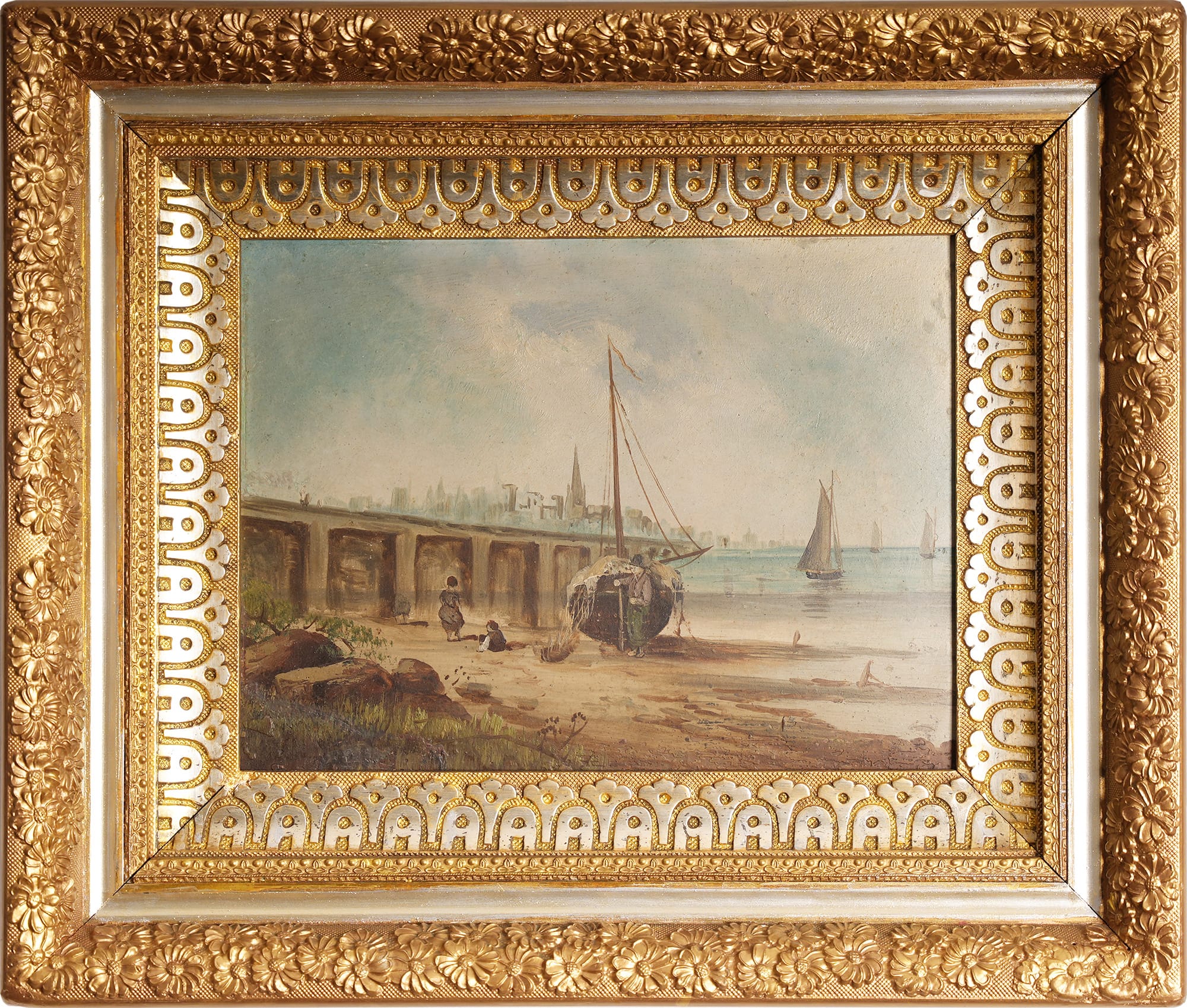
The Navy (1800)

The Navy (19th Century)

  • (1785-1855, French)
  • Oil on Paperboard
  • 25 cm x 35 cm

Curator’s Pick
Hand selected by Noor curators

$0,00

Description

This artwork, attributed to Guillaume-François Colson, portrays a majestic maritime scene set within 19th-century naval grandeur. A fleet of ships navigates turbulent waters, their sails billowing against an expansive sky. Colson’s masterful use of light and shadow, along with detailed rigging, water reflections, and atmospheric perspective, enhances the drama and realism. This piece exemplifies the artist’s keen observation, making it a notable example of historical maritime painting.


Colson’s Rococo works exude playfulness and elegance, with a delicate touch and vibrant colors. His technique reflects the lightheartedness of the era, employing soft lines and whimsical themes that invite delight, often depicting scenes of leisure and love.

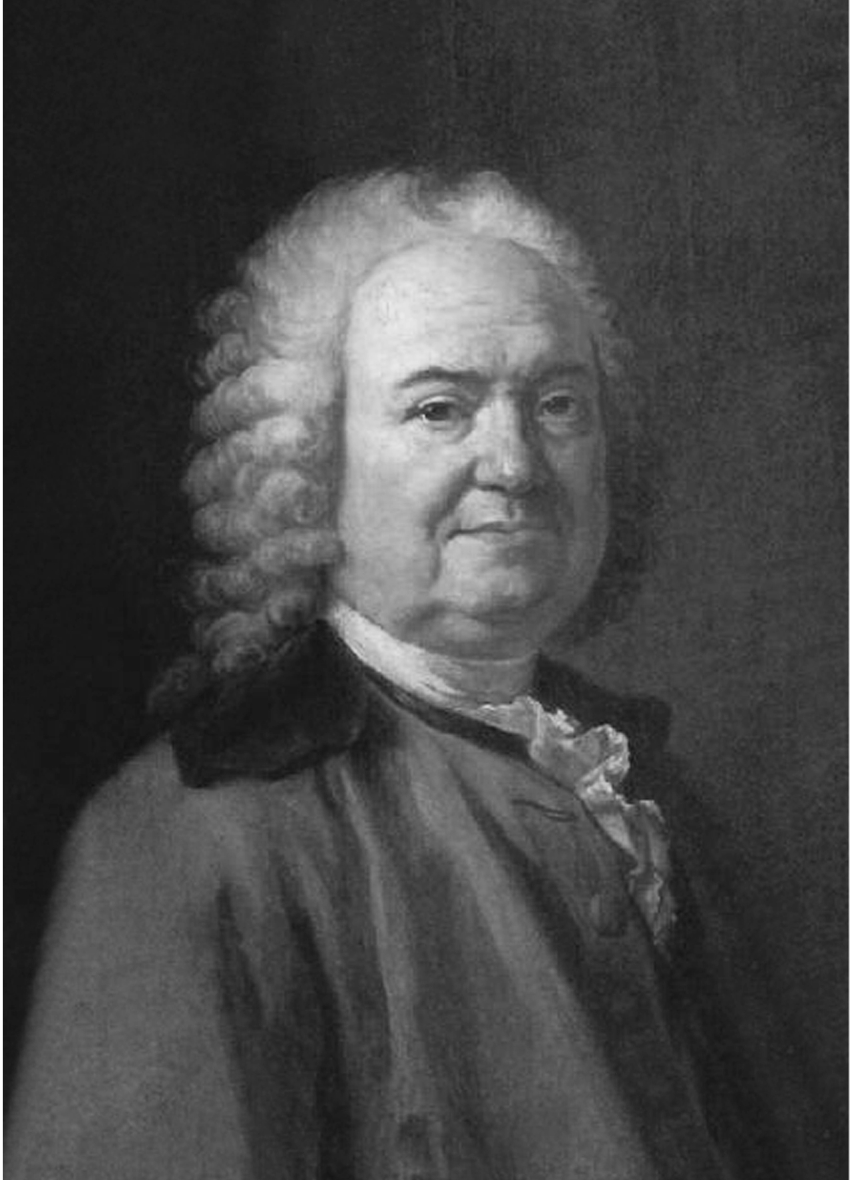
Born in France, Colson trained in Paris and became part of the city’s vibrant artistic community. He was deeply influenced by the French Rococo movement, which embraced delicate forms, pastel colors, and themes of love, romance, and mythology. Rococo, as a reaction to the grandeur and seriousness of Baroque art, favored lighter, more playful compositions—a spirit reflected throughout Colson’s work.

Though not as widely celebrated as contemporaries such as François Boucher or Jean-Honoré Fragonard, Colson developed a distinctive style marked by refined color palettes, soft brushstrokes, and graceful compositions. His works often portrayed fashionable women, playful mythological figures, and intimate, idyllic scenes that mirrored the aristocratic tastes of the French elite.

Colson’s best-known contributions include portraits, religious subjects, and allegorical paintings. His art was appreciated for its sense of intimacy, romance, and decorative elegance—qualities that aligned perfectly with Rococo’s emphasis on beauty and refined taste.

While less prolific than some of his peers, Colson succeeded in capturing the essence of 18th-century French culture: light-hearted, playful, and infused with aristocratic leisure. His paintings provided a visual escape into a world of harmony, grace, and charm.

Today, Colson’s legacy lives on through his contributions to the visual language of Rococo. Though overshadowed by more famous masters, his art remains a testament to the elegance, refinement, and beauty that defined the reign of Louis XV and the Rococo period as a whole.
Additional information

Technique

Oil on Paperboard

size

25 cm x 35 cm

Customer Reviews

No reviews yet.

Colson’s works exude elegance and refinement, blending the discipline of Neoclassicism with touches of Romantic warmth. Known for his portraits, historical compositions, and genre scenes, he brought together technical precision, delicate emotion, and a nuanced reflection of early 19th-century French society.

Early Life and Education

Guillaume-François Colson was born in Paris, France, in 1785. Although little is known about his early life, it is clear that he displayed artistic talent from a young age. He pursued formal training under Jacques-Louis David, the leading figure of French Neoclassicism. Under David’s mentorship, Colson embraced clarity of form, restrained palettes, and idealized subjects. His early works reflected his teacher’s principles, combining precision with grandeur.

In 1806, Colson made his debut at the Paris Salon, the prestigious exhibition of the Académie des Beaux-Arts. His works were well received, earning him recognition among the Parisian artistic community. He continued to exhibit at the Salon throughout his career.

Artistic Career

During the early 19th century, France was undergoing profound political and social changes, and Colson’s works often reflected the era’s fascination with classical antiquity. His subjects included mythological themes, historical events, and refined portraits. He quickly became a sought-after portraitist, commissioned by aristocrats, intellectuals, and prominent members of French society. His ability to capture both likeness and presence distinguished him from many of his peers.

One of Colson’s important contributions was his involvement in documenting Napoleonic history. Like his teacher David, he produced works celebrating the grandeur of Napoleon’s reign, though often on a more intimate and personal scale. His attention to costume, gesture, and expression brought authenticity and drama to these compositions.

Beyond portraits and historical works, Colson also painted genre scenes, offering glimpses into everyday life in early 19th-century France. These works, marked by grace and refinement, revealed the domestic and social customs of his era with a gentle, humanistic touch.

Style and Influence

Colson’s style combined the structural rigor of Neoclassicism with elements of Romanticism, which was gaining popularity during his lifetime. While his training instilled a strict discipline in form and composition, his later works displayed a softer quality, warmer tones, and subtle emotional depth. This blend allowed him to bridge two major movements in French art.

Although he never achieved the fame of contemporaries such as Ingres or Delacroix, Colson maintained a respected presence in the Parisian art scene. His works were acquired by distinguished patrons and found their way into important collections.

Later Life and Legacy

Colson led a relatively quiet life, steering clear of the political controversies that often surrounded artists of his time. His focus remained firmly on his craft, and his adaptability ensured a steady and productive career.

He passed away in 1860, leaving behind a body of work that reflected the transition from strict Neoclassicism to early Romanticism. Today, Colson’s works are preserved in various French museums and collections, continuing to attract scholars and collectors interested in the evolution of 19th-century French painting.

His legacy lies in his ability to bridge two defining artistic periods—the discipline of Neoclassicism and the emotional resonance of Romanticism. His portraits, historical narratives, and genre scenes remain a testament to quiet dedication, technical mastery, and the enduring elegance of French art.

Related Works

The Navy (1800)
The Navy (19th Century)
$0,00